A trenchless repair fixes a damaged sewer line through a few small access points instead of a trench along the whole pipe. Traditional repair digs the line open, replaces the bad section, and fills the trench back in. Which one you can use depends mostly on the shape your pipe is in, and a camera can show you that.
How does trenchless sewer repair work?
Trenchless is a group of methods, not one. Two well-known methods for homes are lining and pipe bursting. Both still need a small hole or pit at one or both ends of the damaged section, so expect some digging. The difference is that the digging happens in a few spots, not along a long ditch.
What is pipe lining?
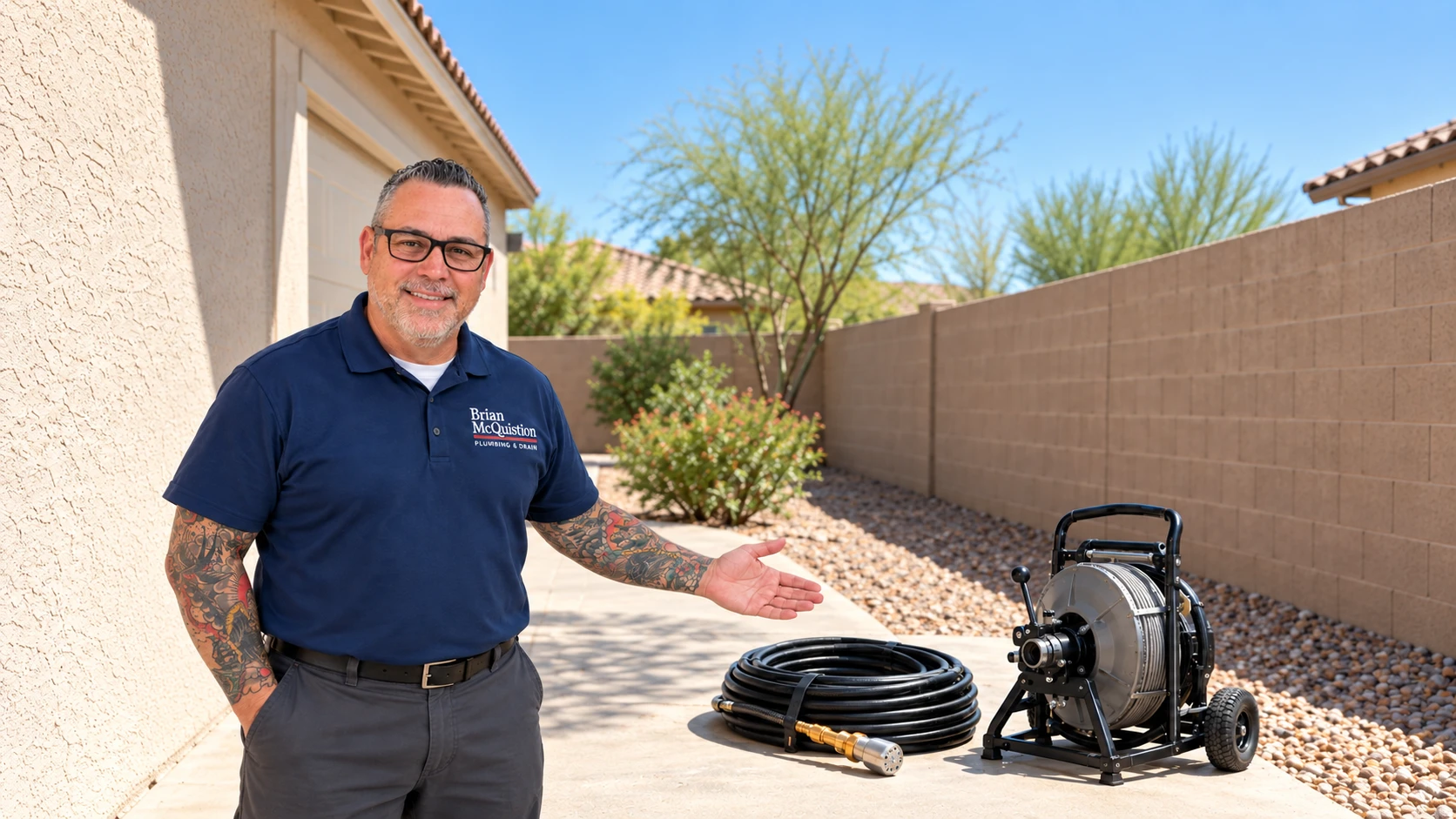
Lining slides a flexible tube coated in resin into the old pipe. The tube is pressed against the pipe wall and left to harden, which forms a new pipe inside the old one. The old pipe stays in the ground. Lining suits a pipe that's cracked or worn but still open enough to get the tube through.
What is pipe bursting?
Pipe bursting pulls a new pipe through the path of the old one. A cone-shaped head at the front breaks the old pipe apart and pushes the pieces outward into the soil as the new pipe follows. It replaces the pipe rather than lining it, so it can suit a pipe that's too damaged to line.
Not every plumber offers every method, and not every method fits every pipe. Ask which one is being recommended for your line, and why.
How does traditional repair work?
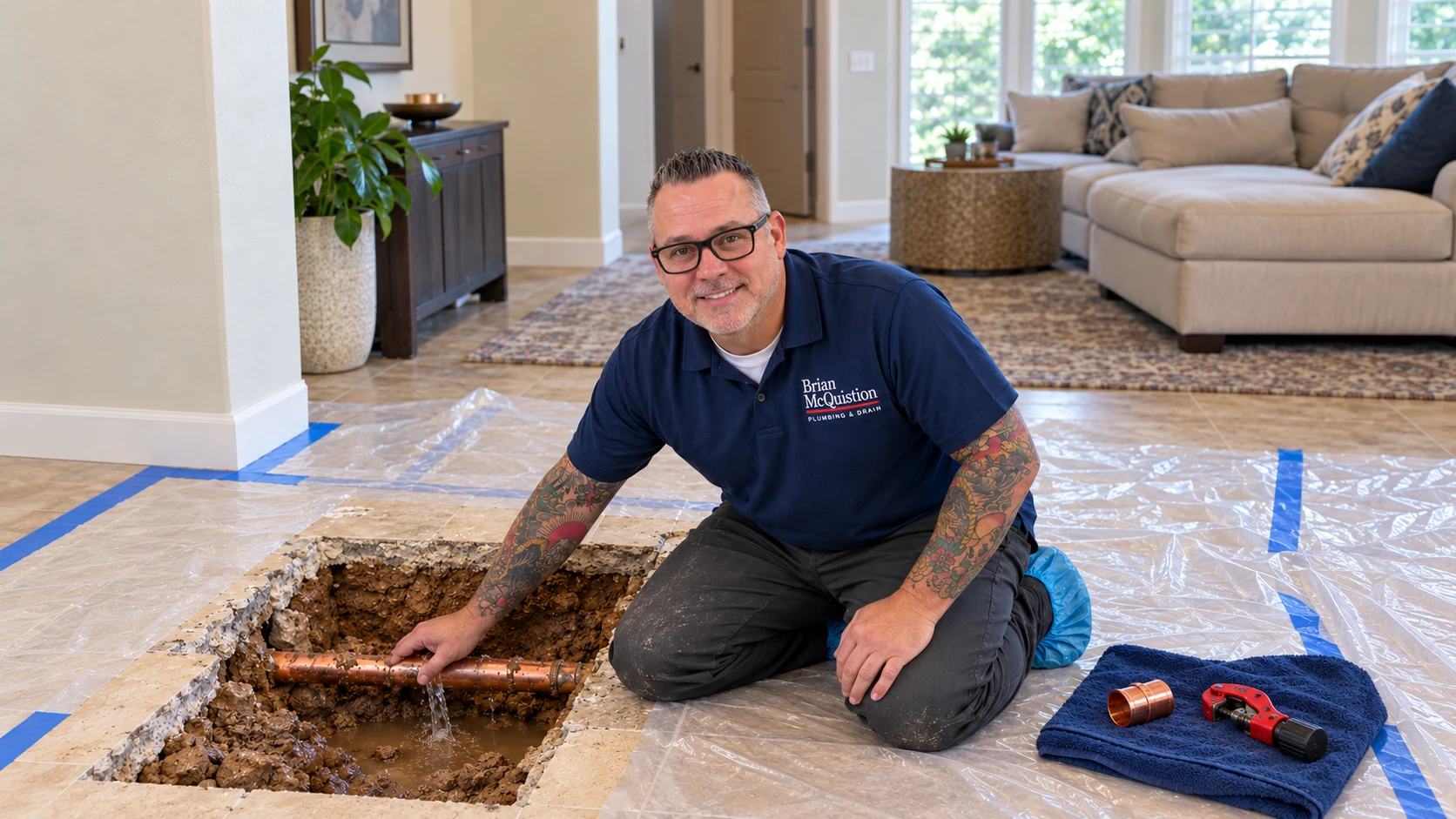
Traditional repair, also called open-trench repair, digs down to the pipe along the damaged section, removes the bad pipe, and lays new pipe in its place. Then the trench is filled in and the surface is put back. Because the pipe is fully exposed, the plumber can reach every part of it, including bends, sags, and connections.
The trade-off is your yard. A trench can run through landscaping, a driveway, a patio, or a wall, and putting those back is part of the job. Ask whether the quote includes that restoration or whether you'd need to hire it out separately. If the damaged section is short and sits in open ground, a trench may be the simpler path. Either way, the work falls under sewer line repair.
Is trenchless always possible?
No. The method has to fit the pipe. A liner follows the shape of the old pipe, so a sag that holds water will still be a sag afterward. A pipe that has collapsed, shifted far out of line, or been crushed may not have enough open space for a liner. Bursting has its own limits, such as other buried lines close to the path.
That's why a plumber can't promise trenchless before looking. Some jobs allow only one method. Others give you a real choice, and then it comes down to weighing the yard against the budget.
Does caliche change the choice?
It can. Caliche is a layer of soil cemented hard by calcium carbonate, and it's common across parts of Arizona. Digging through it takes more effort than digging through loose soil, and that can affect a trench job. It matters less for trenchless work, which digs only at the access points, though those pits can still hit it.
What changes the price?
Cost depends on the job. The main factors are the length of the damaged section, how deep it sits, what's on top of it, the condition of the pipe, the method used, whether caliche is in the way, and what restoration is needed afterward. Permit rules differ by city, so ask who handles them. Ask what the quote covers and what it leaves out.
What are the signs your sewer line needs attention?
A damaged sewer line doesn't always announce itself, but some signs point that way. Drains that slow down in several fixtures at once, toilets that gurgle, or a clog that returns soon after it was cleared can all trace back to the line.
Outside, watch for a sewage smell near the house or yard, and for soggy or sunken ground along the path the line takes. Roots are another clue: a tree or large shrub near the line, plus repeat clogs, is a good reason to look inside the pipe.
Sewage backing up into a tub, shower, or floor drain is a different matter. Stop using water, call a plumber, and keep children and pets away from the area.
Why does the camera come first?
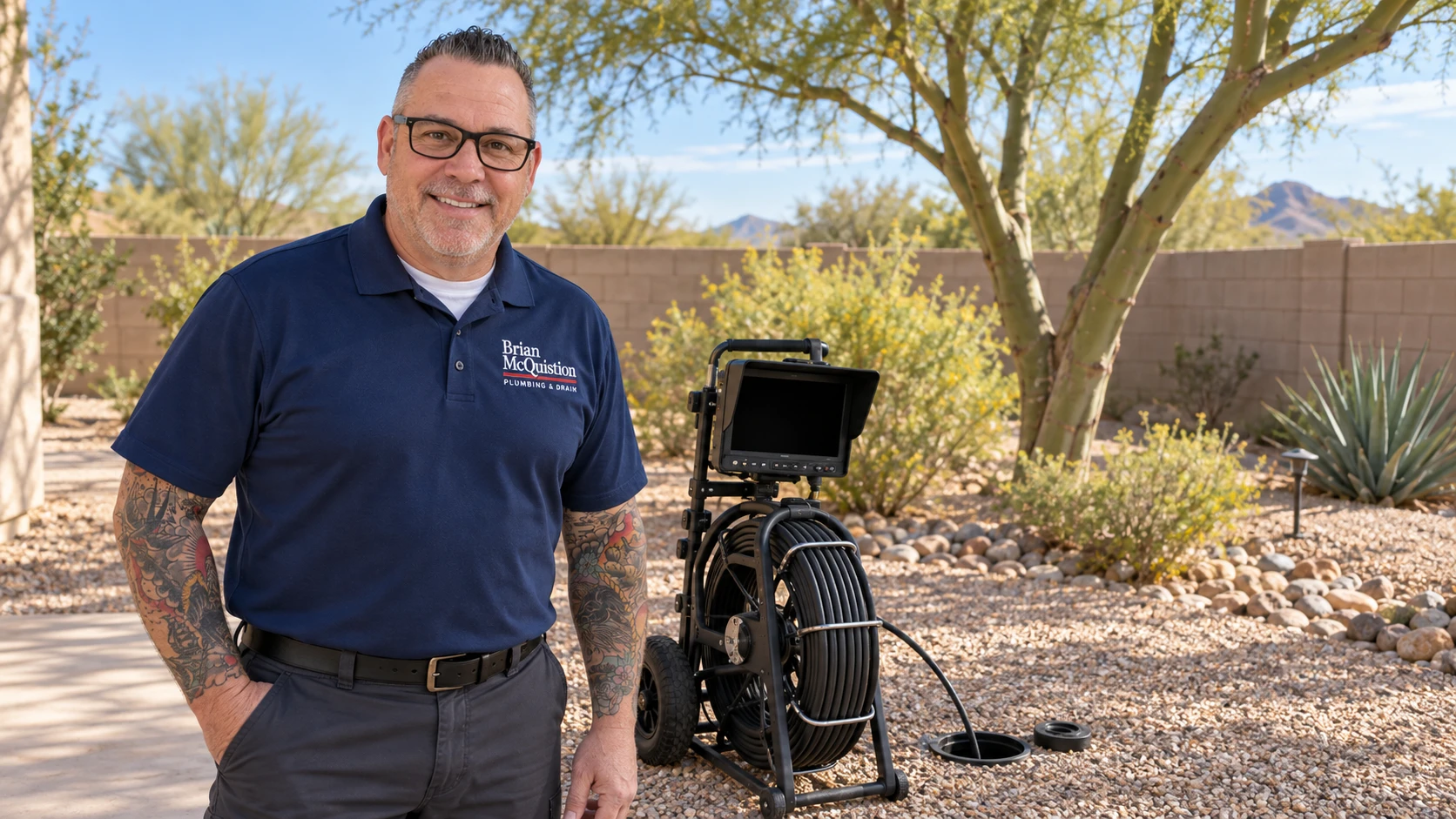
Everything above depends on the pipe's condition, and you can't judge that from the surface. A camera inspection runs a small camera through the line and shows cracks, roots, sags, breaks, and where they sit. It also shows the pipe material, which affects which repairs are possible. Our post on what a sewer camera inspection shows goes through it in more detail.
Sometimes the camera shows that the line needs no repair at all, only clearing. That's a good result too. It means nobody talked you into a repair the pipe didn't need.
Before you agree to any repair, ask someone to walk you through what the camera found, in plain words, and which options fit. If the plumber offers only one option, ask why the others don't apply.
When should you call a licensed plumber?
Call if you see the signs above, if a plumber has cleared the same line more than once, or if someone has told you that you need a new sewer line and you want to understand why before you agree. In every one of those cases, a camera inspection is a sensible first step.
Sewer repair is a job for a licensed plumber, and permit rules differ by city. With us, you approve the price before any work starts. To talk through what fits your line, ask us about trenchless sewer line repair.
Common Questions
No. The method has to fit the pipe. A pipe that has collapsed or shifted far out of line may not have room for a liner, and a camera inspection shows whether trenchless is an option.
Lining puts a resin-coated tube inside the old pipe and lets it harden into a new pipe. Pipe bursting pulls a new pipe through as the old one is broken apart. Which one fits depends on the pipe's condition.
Often not with lining, since the tube needs open space to pass through. Pipe bursting may suit some damaged pipes, but a camera and a plumber have to say whether yours qualifies.
Trenchless still needs small access pits, so some digging happens, but not a trench along the whole line. Traditional repair opens a trench, and putting the yard back is part of the job. Ask whether the quote includes restoration.